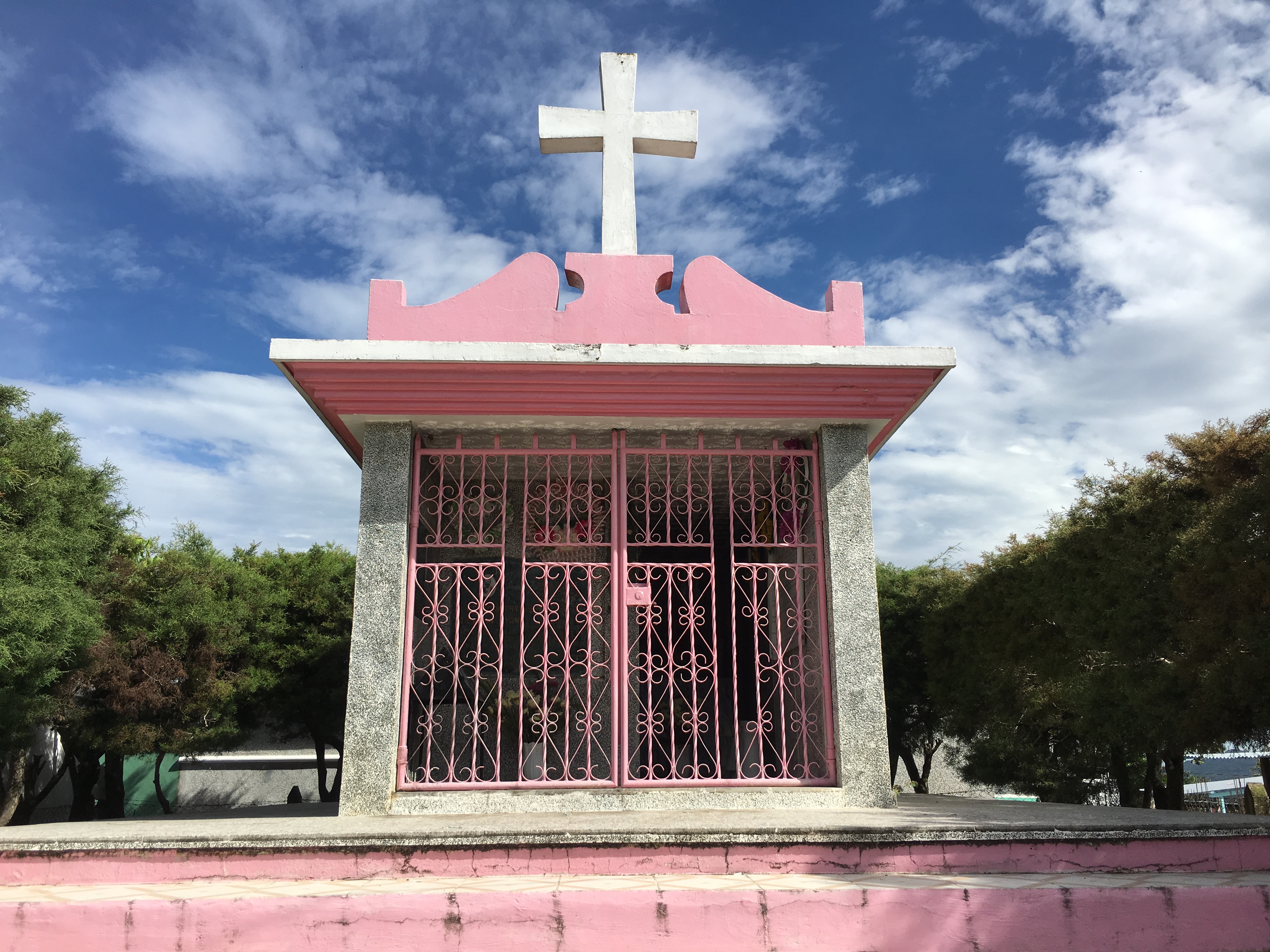
In 1951, at age 33, Maryknoll Sister Dorothy (Rosa Cordis) Erickson graduated from Marquette University’s medical school (now the Medical College of Wisconsin). Ten years later she was assigned to the town of Jacaltenango in the Cuchumatanes mountains of Guatemala, where she was joined in 1963 by Milwaukee native and fellow Maryknoll surgeon Sister Jane (Juana) Buellesbach. Other Maryknoll sisters followed, many of them also Marquette alumni, including a graduate of Marquette’s last Medical School class of ’71, Sister Mary Annell.
Together, the community of Jacaltenango and the Maryknolls built a 50-bed hospital, eighteen clinics, and a regional training program for nurses, midwives, and health promoters. By 1987 the hospital had cared for 12,686 inpatients, served 475,889 outpatients, immunized 182,117 children — and had survived the town’s military occupation during the worst years of Guatemala’s genocidal Cold War counterinsurgency conflict.
“Remembering Madre Rosa” is a multi-year undergraduate research project to reconnect the Marquette University community with this history. Inaugural 2017-19 team Janet Peña, Francisco Hernández, Isabel Piedra, Luis Jiménez, and Ricardo Fernández Iguina did foundational work in New York and Jacaltenango — see their article here. The interviews they conducted in Jacaltenango in July 2018 have been donated to the Maryknoll Mission Archives.
2019-20 team members Isabelle Soto, José Ortíz, Marycruz Sánchez, and Eddie Godina created an exhibit that they also translated into Spanish and gifted to the hospital and individual interviewees in Jacaltenango. In the midst of COVID-19, they co-hosted (with Engineers Without Borders Marquette student chapter president Alex Quiles) a conversation with Dr. Susan Fitzpatrick Behrens and several generations of Maryknolls, “Beyond the White Man’s Burden: What Does Service Really Mean?”.
In 2024, students in the History department’s methodology course HIST2000 created an exhibit on gender and Catholic activism focusing on Madre Rosa, her mentor Sr. Mary Mercy Hirschboeck, Father Bill Woods, and former Father Thomas Melville.
 I am a historian of Guatemala during the Spanish colonial period and associate professor of Latin American history at Marquette University in Milwaukee, Wisconsin, U.S.A. I’m interested in how people recreate meaning and community after long migrations and/or in radically changed circumstances.


 Laura E Matthew